
Go Top

FOLLOW US

Large-scale Agriculture

RichFarm Booster - For large-scale agriculture and commercial production, our microbial technology support stronger root development and healthier soils, improve fertilizer-use efficiency, and promote consistent crop performance.

  • Field Crops

  • Commercial Farming

  • Soil Management

  • Consistent Yield

Home Gardening

RichFarm Booster - enhance the quality and aesthetic value of home gardening by providing healthy and stable growing conditions for plants, reducing maintenance difficulty and costs, while also promoting greenery, beautifying the environment, and improving both quality of life and the enjoyment of family gardening.

  • Indoor Potted Plants

  • Balcony Gardening

  • Home Vegetable Garden

  • Garden Planting

Our Product
Our Product

News & Media

Stay updated with our news

DATE

2026 / 10 / 15

Microbes Aren’t Fertilizer—So What Do They Actually Do in the Soil?

From the rhizosphere and nutrient cycling to everyday crop management, here’s how agricultural microbial products fit into a modern growing system. When we think about crop growth, the first things that usually come to mind are nitrogen, phosphorus, potassium, along with chemical fertilizers, organic fertilizers, and plant nutrients. But in recent years, another term has become increasingly common in agriculture: agricultural microbial products. If fertilizer already provides the nutrients plants need, why would growers also use microbes? The answer lies beneath the surface. Plant growth is not simply a matter of how many nutrients are present in the soil. It also depends on what form those nutrients are in, what conditions exist around the roots, and how biological activity in the soil participates in nutrient cycling. So the first step in understanding microbial products is to separate the role of microbes from the role of fertilizer. Fertilizer Supplies Nutrients. Microbes Focus on the Root-Zone Environment. One simple way to think about it is to imagine a plant as a factory. Fertilizer is like the raw material delivered to the factory, supplying nitrogen, phosphorus, potassium, and other nutrients needed for plant growth. Soil microbes, on the other hand, are more like the workers involved in the surrounding transport, transformation, and recycling systems. They are not the same thing. Fertilizer primarily supplies nutrients to plants, while agricultural microbial products are mainly used to support the management of soil, the rhizosphere, and the surrounding microbial environment. In most cases, microbial products are not intended to directly replace fertilizer. Instead, they become one part of a broader fertility and soil-management program. That is why using microbes and applying fertilizer do not have to be an either-or decision. A more useful question is: How can fertilizer, roots, and the soil environment work together more effectively? Roots Do Not Live Alone If we zoom in on the area surrounding plant roots, we find a highly active zone known as the rhizosphere. The rhizosphere refers to the soil or growing medium directly influenced by root activity. Plant roots release a variety of compounds, while large populations of bacteria, fungi, and other microorganisms live around them. Together, plants, roots, nutrients, and microbes form a continuously interacting micro-ecosystem. Different microorganisms may participate in different biological and chemical processes, including: Decomposition of organic matter Nutrient cycling in the soil Transformation of certain nutrients Microbial interactions within the rhizosphere Maintenance of the environment surrounding plant roots However, it is important to remember that not all “beneficial microbes” perform exactly the same functions. Different species, strains, and product formulations may have different characteristics. Their performance can also be influenced by crop type, soil conditions, temperature, moisture, pH, and fertility practices. So when selecting a microbial product, it is not enough to simply look for the word “microbe” on the label. It is also important to understand which microorganisms are included, what the product is designed to do, and what type of growing environment it is intended for. The rhizosphere is an active zone where roots, nutrients, soil, and microorganisms continuously interact. Can Microbial Products Be Used with Chemical Fertilizers? One common misunderstanding among growers new to microbial products is: “If I use microbes, does that mean I can no longer use chemical fertilizer?” Not at all. Agricultural microbial products can be incorporated into an existing fertility program and, under appropriate conditions, may be used alongside chemical fertilizers, organic fertilizers, or plant nutrient solutions. The more important consideration is not whether something is called a “chemical fertilizer,” but rather the actual environment the microorganisms are exposed to. 1. Fertilizer Concentration and Salinity Excessively high fertilizer concentrations can create high osmotic pressure and saline conditions. These conditions can affect not only plant roots, but also the survival or activity of certain microorganisms when the environment becomes too extreme. So even if a microbial product can be used together with fertilizer, that does not automatically mean every product can be mixed at any concentration and left together for an extended period. 2. pH Different microorganisms have different pH ranges in which they are better able to survive or remain active. If a mixed solution becomes extremely acidic or alkaline, it may affect the condition of certain microorganisms. 3. Other Ingredients in Fertilizers or Nutrient Solutions Fertilizers and nutrient solutions used in agriculture often contain more than one ingredient. If a microbial product is added directly to a fertilizer tank, nutrient reservoir, or irrigation system, growers should consider not only the microbial product instructions, but also the compatibility of the different materials being mixed. “Can be used with fertilizer” does not necessarily mean “everything can be mixed together in the same tank and left there indefinitely without any effect.” Microbial products can be integrated into an existing fertility program, but concentration, pH, and ingredient compatibility still matter. The Bigger Question Is Not “Can They Be Used Together?” but “How Should They Be Scheduled?” Modern crop production rarely relies on a single input. A complete crop-management program may include: fertilizers, plant nutrition, microbial products, irrigation management, and crop-protection practices when needed. So the real question is not whether microbial products can exist on their own, but how they fit into the grower’s existing production schedule. One important consideration is the timing of pesticide and fungicide applications. Why Does Timing Matter When Pesticides or Fungicides Are Used? The reason is straightforward. The active components in microbial products are living microorganisms or viable microbial units. Some crop-protection products, particularly those with antimicrobial or fungicidal activity, are specifically designed to affect certain biological organisms. If the two are applied at the same time, or very close together, certain pesticide or fungicide ingredients may affect the survival or activity of some microorganisms. But this does not mean: “If pesticides are used, microbial products cannot be used.” The interaction can vary depending on the pesticide active ingredient, microbial species or strain, application rate, and method of use. A more practical approach is to view them as management tools with different purposes and use application timing to reduce the chance of interference. For RichFarm Booster, if chemical pesticides are required during the crop cycle, we recommend applying them at least about one week before or after the RichFarm Booster application. This allows growers to add microbial management without completely changing an existing crop-protection program. Instead, the goal is to arrange the order and timing of applications so that each management tool can perform its intended role. Thoughtful timing between different agricultural inputs can help reduce the risk of unnecessary interference. The Real Value of Microbial Products Is Not Simply “Adding One More Input” From fertilizer and irrigation to microbial management and crop protection, modern agriculture is gradually moving from a single-input mindset toward a systems-based approach. Microbial products should be understood in the same way. They are not simply another bag or bottle added to a fertilizer program, nor should one product be expected to replace every other agricultural input. A more useful approach is to begin asking: What is actually happening around the plant’s roots? Nutrients may be present in the soil—but are they in forms that can be effectively used? Are root-zone conditions suitable for root and microbial activity? Can fertilization, irrigation, microbial management, and crop protection be coordinated more effectively? Once we move beyond simply asking “How much are we giving the plant?” and begin thinking about how the plant, roots, nutrients, microbes, and soil environment work together, the role of agricultural microbial products becomes much clearer. Microbes Are Not a Replacement for Fertilizer—They Represent a Different Management Approach So, returning to the original question: What is the difference between agricultural microbial products and fertilizer? Fertilizer supplies nutrients. Microbial products focus on the soil environment, nutrient cycling, and the rhizosphere. Their roles are different, but they can be part of the same crop-management system. And the outcome depends on more than simply whether microbes are used. It may also be influenced by the microbial species and strains, product formulation, fertility management, moisture, pH, soil or growing-medium conditions, and the timing of other agricultural inputs. Understanding these differences helps move microbes beyond being just another word on a product label and gives them a clearer place within an overall crop-management strategy. Want to Learn More About Using Agricultural Microbes? Learn more about microbial counts, different growing systems, and how microbial products can be integrated with fertilizer and everyday crop-management practices. Explore Our FAQ

DATE

2026 / 08 / 21

How Microbes Can Help Crops Recover After Flooding

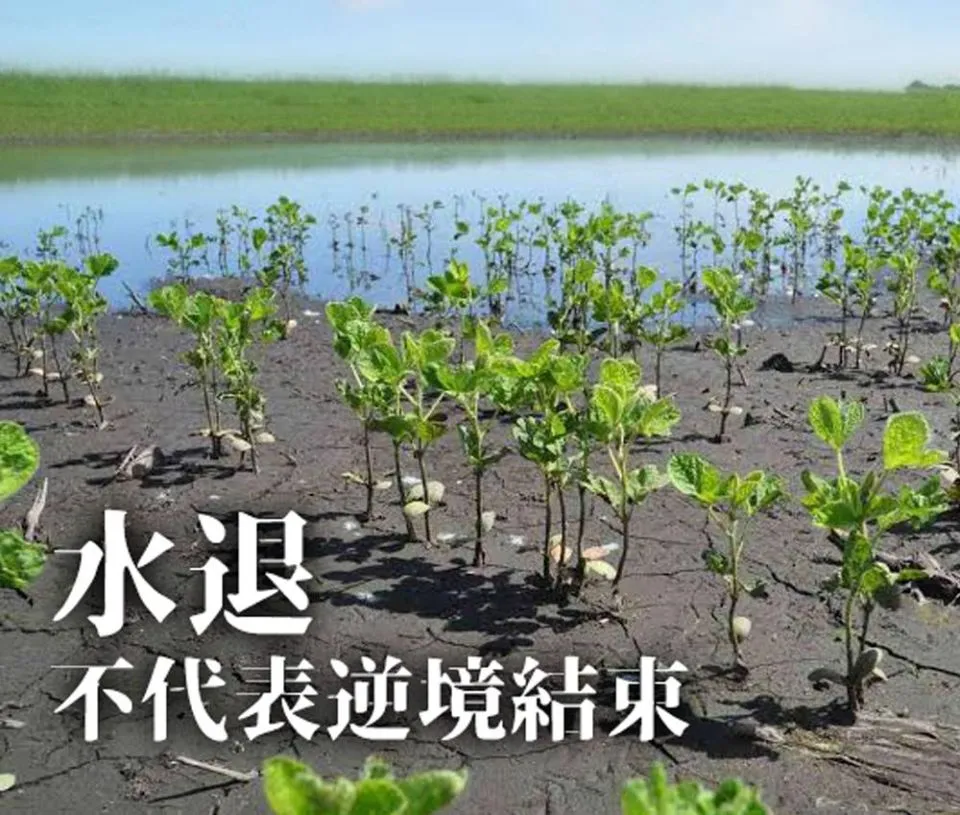
How Microbes Can Help Crops Recover After Flooding The damage caused by heavy rainfall does not occur only while crops are submerged. The real stress often comes from a rapid sequence of changing environmental conditions: Prolonged flooding, oxygen deficiency in the root zone, reoxygenation after the water recedes, followed by high temperatures and intense sunlight. When soil remains waterlogged for an extended period, the air normally held within soil pores is replaced by water, causing oxygen levels in the root zone to drop rapidly. Aerobic respiration in the roots becomes restricted, reducing energy production and weakening the plant's ability to absorb water and nutrients. Even when the above-ground portion of the plant still appears green and healthy, damage may already be developing below the soil surface. During flooding, plants may also experience the accumulation of reactive oxygen species (ROS) and oxidative stress. Moderate levels of ROS serve as important stress signals, but excessive ROS can damage cell membranes, proteins, and organelles. The ability of a plant to maintain antioxidant balance is therefore an important factor in flooding tolerance. What is often overlooked is that the water receding does not mean the plant has fully recovered. As oxygen returns to the root zone, the plant must transition from low-oxygen metabolism back to normal aerobic metabolism. This period of reoxygenation can itself be accompanied by oxidative stress. If high temperatures and intense sunlight follow immediately afterward, transpiration demand from the above-ground portion of the plant can increase rapidly while root water uptake and nutrient transport have not yet fully recovered, placing additional physiological stress on the plant.

DATE

2026 / 06 / 17

Celebrating the Dragon Boat Festival with You — With RichFarm Booster, There’s Always Support for a Better Harvest.
A Seasonal Greeting for Every Effort Made on the Land The Dragon Boat Festival is not only a traditional celebration, but also an important time as crops enter the summer growing season. At Rolling Greens, we deeply understand that every field, every irrigation, and every moment of care reflects farmers’ commitment to their crops and the land. On this meaningful occasion, we sincerely wish all farmers good health, strong crops, smooth fieldwork, and fruitful results throughout the season. With warm wishes from Rolling Greens Natural Tech May your Dragon Boat Festival be peaceful, your fields abundant, and your harvest full.

DATE

2026 / 05 / 07

From Indian Jujube to Romaine Lettuce: Rolling Greens Microbial Products Deliver Outstanding Results in Thailand Field Trials

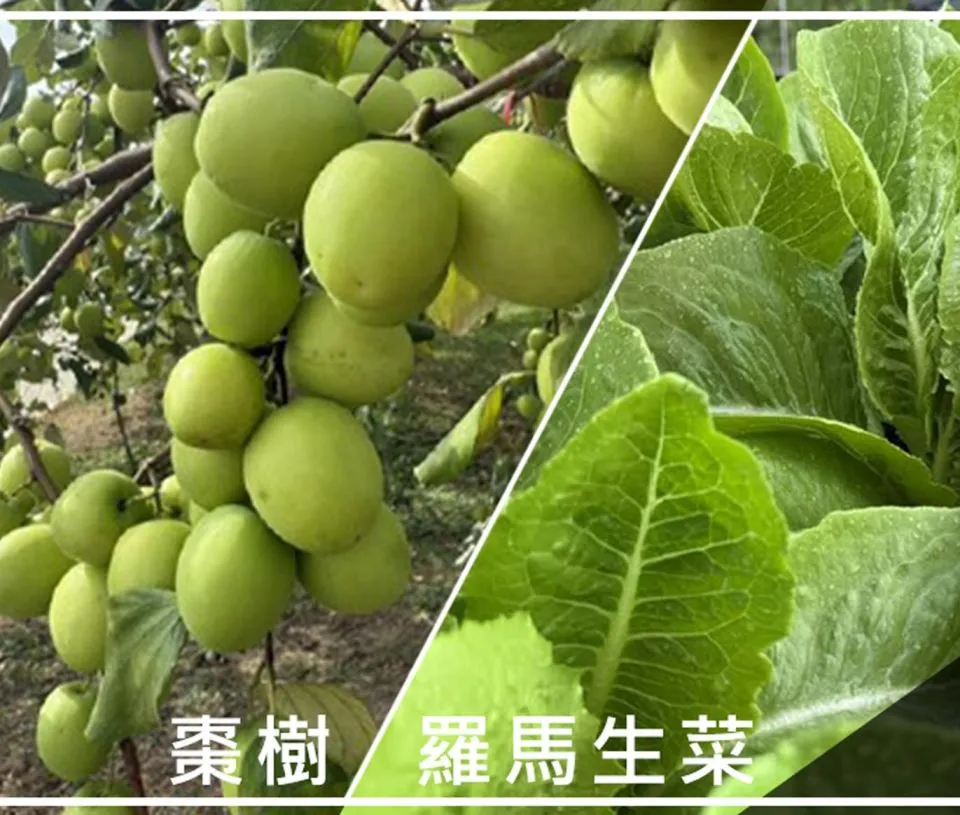
Indian Jujube Trial Results The trial compared a “microbial product + fertilization treatment group” with an “untreated control group.” The harvest period was from December 2568 to February 2569 in the Thai Buddhist calendar. Flowering stage: The treatment group showed larger inflorescences, stronger flower stalks, and bright green leaves, while the control group had smaller inflorescences and lighter leaf color. Fruiting stage: The treatment group produced plump fruits with glossy green skin and no visible stem borer damage. In contrast, the control group showed yellowish fruits, higher fruit drop, and stem borer damage. Unexpected discovery: The occurrence of anthracnose, downy mildew, mealybugs, and caterpillars was lower in the treatment group than in the control group. Even under flooding conditions, the root system remained healthy and showed no signs of severe rotting. Romaine Lettuce Trial Results The microbial product was applied twice, once on day 21 and once on day 35 of crop growth. The evaluation was conducted at harvest on day 42. Conclusion This field trial in Thailand once again demonstrates that RichFarm Booster provide practical benefits in improving both crop yield and quality. RichFarm Booster continue to deepen cooperation with Thai customers and expand field trials to bring more sustainable yield-enhancing solutions to growers.

DATE

2026 / 03 / 19

High Global Value of Corn, Yet Why Are Farming Returns Still Challenging?

High Global Value of Corn, Yet Why Are Farming Returns Still Challenging? Corn is widely recognized as one of the world’s three major staple crops, alongside wheat and rice. However, it is rarely consumed as a primary food source. In reality, corn is the most produced crop globally, with an annual output exceeding 1.3 billion tons. It also serves as a critical pillar in modern agriculture and industrial systems. In China alone, annual corn production exceeds 300 million tons. Approximately 65% is used for animal feed, while nearly 30% enters deep processing industries. From meat, eggs, and dairy to starch syrups, corn oil, and bioethanol, its value chain extends far beyond direct human consumption.

DATE

2026 / 02 / 11

2026 New Year Greetings | Rolling Greens

DATE

2025 / 12 / 24

Rolling Green 2025 — Celebrating Christmas with You

A Joyful and Peaceful Christmas As the bells ring and the lights shine, Christmas is here once again. All of us at Rolling Green Natural Technology sincerely wish you a wonderful holiday season. May the Christmas lights brighten smiles filled with hope, and may our heartfelt wishes bring joy and warmth, filling your days with peace, happiness, and gratitude. Kind Reminder: December 25 is a national holiday. If you have any business needs or cooperation inquiries during this period, please feel free to contact us via email. We will respond promptly once we resume work.

DATE

2025 / 11 / 13

Rolling Greens breaks into Sri Lanka after 6 years of hard work!

🇱🇰 Sri Lanka A country where farmers share their land with elephants. After six years of effort, Rolling Greens has finally set foot in Sri Lanka. We’ve begun exchanges with the Ministry of Agriculture and visited rural communities to witness the authentic daily life of Sri Lankan farmers. This journey is not only the start of a new partnership — it’s a major step in connecting culture and innovation.

DATE

2025 / 09 / 30

2025 Let's Celebrate Under the Same Full Moon

As the full moon brings families together once again this Mid-Autumn Festival, all of us at Rolling Green Tech extend our warmest wishes to you: Wishing you success in your career and peace in your home — Happy Mid-Autumn Festival! May the bright moon reflect joyful reunions, and may mooncakes carry heartfelt sweetness, bringing fulfillment and happiness to every part of your life. To observe the holiday, please note our adjusted business schedule: 📅 Holiday Closure: October 4 (Saturday) – October 6 (Monday), 2025 🏢 We will resume normal operations on October 7 (Tuesday), 2025 If you have any business inquiries or collaboration needs during this period, please feel free to reach us via email. We will respond as soon as business resumes.

DATE

2025 / 09 / 16

[Breaking News] Rolling Greens Featured in Indonesia’s Leading Agricultural Magazine Trubus!

我們很榮幸地宣布——RichFarm Booster 近日受邀專訪,並登上印尼知名農業專業媒體 《Trubus》雜誌,文章以「Rahasia Mikrob Taiwan yang Siap Merevolusi Pertanian Indonesia(來自台灣的微生物祕密,準備徹底革新印尼農業)」為題,深入報導了我們的技術、理念與願景。
Microbes Aren’t Fertilizer—So What Do They Actually Do in the Soil?

DATE

2026 / 10 / 15

Microbes Aren’t Fertilizer—So What Do They Actually Do in the Soil?

From the rhizosphere and nutrient cycling to everyday crop management, here’s how agricultural microbial products fit into a modern growing system. When we think about crop growth, the first things that usually come to mind are nitrogen, phosphorus, potassium, along with chemical fertilizers, organic fertilizers, and plant nutrients. But in recent years, another term has become increasingly common in agriculture: agricultural microbial products. If fertilizer already provides the nutrients plants need, why would growers also use microbes? The answer lies beneath the surface. Plant growth is not simply a matter of how many nutrients are present in the soil. It also depends on what form those nutrients are in, what conditions exist around the roots, and how biological activity in the soil participates in nutrient cycling. So the first step in understanding microbial products is to separate the role of microbes from the role of fertilizer. Fertilizer Supplies Nutrients. Microbes Focus on the Root-Zone Environment. One simple way to think about it is to imagine a plant as a factory. Fertilizer is like the raw material delivered to the factory, supplying nitrogen, phosphorus, potassium, and other nutrients needed for plant growth. Soil microbes, on the other hand, are more like the workers involved in the surrounding transport, transformation, and recycling systems. They are not the same thing. Fertilizer primarily supplies nutrients to plants, while agricultural microbial products are mainly used to support the management of soil, the rhizosphere, and the surrounding microbial environment. In most cases, microbial products are not intended to directly replace fertilizer. Instead, they become one part of a broader fertility and soil-management program. That is why using microbes and applying fertilizer do not have to be an either-or decision. A more useful question is: How can fertilizer, roots, and the soil environment work together more effectively? Roots Do Not Live Alone If we zoom in on the area surrounding plant roots, we find a highly active zone known as the rhizosphere. The rhizosphere refers to the soil or growing medium directly influenced by root activity. Plant roots release a variety of compounds, while large populations of bacteria, fungi, and other microorganisms live around them. Together, plants, roots, nutrients, and microbes form a continuously interacting micro-ecosystem. Different microorganisms may participate in different biological and chemical processes, including: Decomposition of organic matter Nutrient cycling in the soil Transformation of certain nutrients Microbial interactions within the rhizosphere Maintenance of the environment surrounding plant roots However, it is important to remember that not all “beneficial microbes” perform exactly the same functions. Different species, strains, and product formulations may have different characteristics. Their performance can also be influenced by crop type, soil conditions, temperature, moisture, pH, and fertility practices. So when selecting a microbial product, it is not enough to simply look for the word “microbe” on the label. It is also important to understand which microorganisms are included, what the product is designed to do, and what type of growing environment it is intended for. The rhizosphere is an active zone where roots, nutrients, soil, and microorganisms continuously interact. Can Microbial Products Be Used with Chemical Fertilizers? One common misunderstanding among growers new to microbial products is: “If I use microbes, does that mean I can no longer use chemical fertilizer?” Not at all. Agricultural microbial products can be incorporated into an existing fertility program and, under appropriate conditions, may be used alongside chemical fertilizers, organic fertilizers, or plant nutrient solutions. The more important consideration is not whether something is called a “chemical fertilizer,” but rather the actual environment the microorganisms are exposed to. 1. Fertilizer Concentration and Salinity Excessively high fertilizer concentrations can create high osmotic pressure and saline conditions. These conditions can affect not only plant roots, but also the survival or activity of certain microorganisms when the environment becomes too extreme. So even if a microbial product can be used together with fertilizer, that does not automatically mean every product can be mixed at any concentration and left together for an extended period. 2. pH Different microorganisms have different pH ranges in which they are better able to survive or remain active. If a mixed solution becomes extremely acidic or alkaline, it may affect the condition of certain microorganisms. 3. Other Ingredients in Fertilizers or Nutrient Solutions Fertilizers and nutrient solutions used in agriculture often contain more than one ingredient. If a microbial product is added directly to a fertilizer tank, nutrient reservoir, or irrigation system, growers should consider not only the microbial product instructions, but also the compatibility of the different materials being mixed. “Can be used with fertilizer” does not necessarily mean “everything can be mixed together in the same tank and left there indefinitely without any effect.” Microbial products can be integrated into an existing fertility program, but concentration, pH, and ingredient compatibility still matter. The Bigger Question Is Not “Can They Be Used Together?” but “How Should They Be Scheduled?” Modern crop production rarely relies on a single input. A complete crop-management program may include: fertilizers, plant nutrition, microbial products, irrigation management, and crop-protection practices when needed. So the real question is not whether microbial products can exist on their own, but how they fit into the grower’s existing production schedule. One important consideration is the timing of pesticide and fungicide applications. Why Does Timing Matter When Pesticides or Fungicides Are Used? The reason is straightforward. The active components in microbial products are living microorganisms or viable microbial units. Some crop-protection products, particularly those with antimicrobial or fungicidal activity, are specifically designed to affect certain biological organisms. If the two are applied at the same time, or very close together, certain pesticide or fungicide ingredients may affect the survival or activity of some microorganisms. But this does not mean: “If pesticides are used, microbial products cannot be used.” The interaction can vary depending on the pesticide active ingredient, microbial species or strain, application rate, and method of use. A more practical approach is to view them as management tools with different purposes and use application timing to reduce the chance of interference. For RichFarm Booster, if chemical pesticides are required during the crop cycle, we recommend applying them at least about one week before or after the RichFarm Booster application. This allows growers to add microbial management without completely changing an existing crop-protection program. Instead, the goal is to arrange the order and timing of applications so that each management tool can perform its intended role. Thoughtful timing between different agricultural inputs can help reduce the risk of unnecessary interference. The Real Value of Microbial Products Is Not Simply “Adding One More Input” From fertilizer and irrigation to microbial management and crop protection, modern agriculture is gradually moving from a single-input mindset toward a systems-based approach. Microbial products should be understood in the same way. They are not simply another bag or bottle added to a fertilizer program, nor should one product be expected to replace every other agricultural input. A more useful approach is to begin asking: What is actually happening around the plant’s roots? Nutrients may be present in the soil—but are they in forms that can be effectively used? Are root-zone conditions suitable for root and microbial activity? Can fertilization, irrigation, microbial management, and crop protection be coordinated more effectively? Once we move beyond simply asking “How much are we giving the plant?” and begin thinking about how the plant, roots, nutrients, microbes, and soil environment work together, the role of agricultural microbial products becomes much clearer. Microbes Are Not a Replacement for Fertilizer—They Represent a Different Management Approach So, returning to the original question: What is the difference between agricultural microbial products and fertilizer? Fertilizer supplies nutrients. Microbial products focus on the soil environment, nutrient cycling, and the rhizosphere. Their roles are different, but they can be part of the same crop-management system. And the outcome depends on more than simply whether microbes are used. It may also be influenced by the microbial species and strains, product formulation, fertility management, moisture, pH, soil or growing-medium conditions, and the timing of other agricultural inputs. Understanding these differences helps move microbes beyond being just another word on a product label and gives them a clearer place within an overall crop-management strategy. Want to Learn More About Using Agricultural Microbes? Learn more about microbial counts, different growing systems, and how microbial products can be integrated with fertilizer and everyday crop-management practices. Explore Our FAQ
Read More
How Microbes Can Help Crops Recover After Flooding

DATE

2026 / 08 / 21

How Microbes Can Help Crops Recover After Flooding

How Microbes Can Help Crops Recover After Flooding The damage caused by heavy rainfall does not occur only while crops are submerged. The real stress often comes from a rapid sequence of changing environmental conditions: Prolonged flooding, oxygen deficiency in the root zone, reoxygenation after the water recedes, followed by high temperatures and intense sunlight. When soil remains waterlogged for an extended period, the air normally held within soil pores is replaced by water, causing oxygen levels in the root zone to drop rapidly. Aerobic respiration in the roots becomes restricted, reducing energy production and weakening the plant's ability to absorb water and nutrients. Even when the above-ground portion of the plant still appears green and healthy, damage may already be developing below the soil surface. During flooding, plants may also experience the accumulation of reactive oxygen species (ROS) and oxidative stress. Moderate levels of ROS serve as important stress signals, but excessive ROS can damage cell membranes, proteins, and organelles. The ability of a plant to maintain antioxidant balance is therefore an important factor in flooding tolerance. What is often overlooked is that the water receding does not mean the plant has fully recovered. As oxygen returns to the root zone, the plant must transition from low-oxygen metabolism back to normal aerobic metabolism. This period of reoxygenation can itself be accompanied by oxidative stress. If high temperatures and intense sunlight follow immediately afterward, transpiration demand from the above-ground portion of the plant can increase rapidly while root water uptake and nutrient transport have not yet fully recovered, placing additional physiological stress on the plant.
Read More
Celebrating the Dragon Boat Festival with You — With RichFarm Booster, There’s Always Support for a Better Harvest.

DATE

2026 / 06 / 17

Celebrating the Dragon Boat Festival with You — With RichFarm Booster, There’s Always Support for a Better Harvest.

A Seasonal Greeting for Every Effort Made on the Land The Dragon Boat Festival is not only a traditional celebration, but also an important time as crops enter the summer growing season. At Rolling Greens, we deeply understand that every field, every irrigation, and every moment of care reflects farmers’ commitment to their crops and the land. On this meaningful occasion, we sincerely wish all farmers good health, strong crops, smooth fieldwork, and fruitful results throughout the season. With warm wishes from Rolling Greens Natural Tech May your Dragon Boat Festival be peaceful, your fields abundant, and your harvest full.
Read More
From Indian Jujube to Romaine Lettuce: Rolling Greens Microbial Products Deliver Outstanding Results in Thailand Field Trials

DATE

2026 / 05 / 07

From Indian Jujube to Romaine Lettuce: Rolling Greens Microbial Products Deliver Outstanding Results in Thailand Field Trials

Indian Jujube Trial Results The trial compared a “microbial product + fertilization treatment group” with an “untreated control group.” The harvest period was from December 2568 to February 2569 in the Thai Buddhist calendar. Flowering stage: The treatment group showed larger inflorescences, stronger flower stalks, and bright green leaves, while the control group had smaller inflorescences and lighter leaf color. Fruiting stage: The treatment group produced plump fruits with glossy green skin and no visible stem borer damage. In contrast, the control group showed yellowish fruits, higher fruit drop, and stem borer damage. Unexpected discovery: The occurrence of anthracnose, downy mildew, mealybugs, and caterpillars was lower in the treatment group than in the control group. Even under flooding conditions, the root system remained healthy and showed no signs of severe rotting. Romaine Lettuce Trial Results The microbial product was applied twice, once on day 21 and once on day 35 of crop growth. The evaluation was conducted at harvest on day 42. Conclusion This field trial in Thailand once again demonstrates that RichFarm Booster provide practical benefits in improving both crop yield and quality. RichFarm Booster continue to deepen cooperation with Thai customers and expand field trials to bring more sustainable yield-enhancing solutions to growers.
Read More
High Global Value of Corn, Yet Why Are Farming Returns Still Challenging?

DATE

2026 / 03 / 19

High Global Value of Corn, Yet Why Are Farming Returns Still Challenging?

High Global Value of Corn, Yet Why Are Farming Returns Still Challenging? Corn is widely recognized as one of the world’s three major staple crops, alongside wheat and rice. However, it is rarely consumed as a primary food source. In reality, corn is the most produced crop globally, with an annual output exceeding 1.3 billion tons. It also serves as a critical pillar in modern agriculture and industrial systems. In China alone, annual corn production exceeds 300 million tons. Approximately 65% is used for animal feed, while nearly 30% enters deep processing industries. From meat, eggs, and dairy to starch syrups, corn oil, and bioethanol, its value chain extends far beyond direct human consumption.
Read More
2026 New Year Greetings | Rolling Greens

DATE

2026 / 02 / 11

2026 New Year Greetings | Rolling Greens

Read More

Rolling Green 2025 — Celebrating Christmas with You

DATE

2025 / 12 / 24

Rolling Green 2025 — Celebrating Christmas with You

A Joyful and Peaceful Christmas As the bells ring and the lights shine, Christmas is here once again. All of us at Rolling Green Natural Technology sincerely wish you a wonderful holiday season. May the Christmas lights brighten smiles filled with hope, and may our heartfelt wishes bring joy and warmth, filling your days with peace, happiness, and gratitude. Kind Reminder: December 25 is a national holiday. If you have any business needs or cooperation inquiries during this period, please feel free to contact us via email. We will respond promptly once we resume work.
Read More
Rolling Greens breaks into Sri Lanka after 6 years of hard work!

DATE

2025 / 11 / 13

Rolling Greens breaks into Sri Lanka after 6 years of hard work!

🇱🇰 Sri Lanka A country where farmers share their land with elephants. After six years of effort, Rolling Greens has finally set foot in Sri Lanka. We’ve begun exchanges with the Ministry of Agriculture and visited rural communities to witness the authentic daily life of Sri Lankan farmers. This journey is not only the start of a new partnership — it’s a major step in connecting culture and innovation.
Read More
2025 Let's Celebrate Under the Same Full Moon

DATE

2025 / 09 / 30

2025 Let's Celebrate Under the Same Full Moon

As the full moon brings families together once again this Mid-Autumn Festival, all of us at Rolling Green Tech extend our warmest wishes to you: Wishing you success in your career and peace in your home — Happy Mid-Autumn Festival! May the bright moon reflect joyful reunions, and may mooncakes carry heartfelt sweetness, bringing fulfillment and happiness to every part of your life. To observe the holiday, please note our adjusted business schedule: 📅 Holiday Closure: October 4 (Saturday) – October 6 (Monday), 2025 🏢 We will resume normal operations on October 7 (Tuesday), 2025 If you have any business inquiries or collaboration needs during this period, please feel free to reach us via email. We will respond as soon as business resumes.
Read More
[Breaking News] Rolling Greens Featured in Indonesia’s Leading Agricultural Magazine Trubus!

DATE

2025 / 09 / 16

[Breaking News] Rolling Greens Featured in Indonesia’s Leading Agricultural Magazine Trubus!

我們很榮幸地宣布——RichFarm Booster 近日受邀專訪,並登上印尼知名農業專業媒體 《Trubus》雜誌,文章以「Rahasia Mikrob Taiwan yang Siap Merevolusi Pertanian Indonesia(來自台灣的微生物祕密,準備徹底革新印尼農業)」為題,深入報導了我們的技術、理念與願景。
Read More
43.6 %
15.9 %
Supporting Soil-Focused Growing Practices

From Earth For Earth

RollingGreens is dedicated to developing environmentally friendly agricultural products to reduce chemical fertilizer pollution. Through innovative technology, we help farmers increase their yield and quality. We actively expand global markets to promote sustainable agriculture development.

Rolling Greens
Rolling Greens

According to the EU's implementation of the General Data Protection Regulation (GDPR), we are committed to protecting your personal data and providing you control over your personal information.By clicking "Accept All," you allow us to place cookies to enhance your experience on this website, assist us in analyzing website performance and usage, and enable us to deliver relevant marketing content. You can manage cookie settings below. Clicking "Confirm" means you agree to the current settings.

Manage Cookies

Privacy preferences

According to the EU's implementation of the General Data Protection Regulation (GDPR), we are committed to protecting your personal data and providing you control over your personal information.By clicking "Accept All," you allow us to place cookies to enhance your experience on this website, assist us in analyzing website performance and usage, and enable us to deliver relevant marketing content. You can manage cookie settings below. Clicking "Confirm" means you agree to the current settings.

Privacy Policy

Manage preferences

Necessary cookie

Always on

The operation of the website relies on these necessary cookies, and you cannot disable them in the system. These cookies are typically set in response to actions you take, such as setting your privacy preferences, logging in, or filling out forms. You can set your browser to block or alert you about these cookies, but some parts of the website may not function properly.